
Assessing the Fragile Stalemate: US-Iran Negotiations and Military Tensions
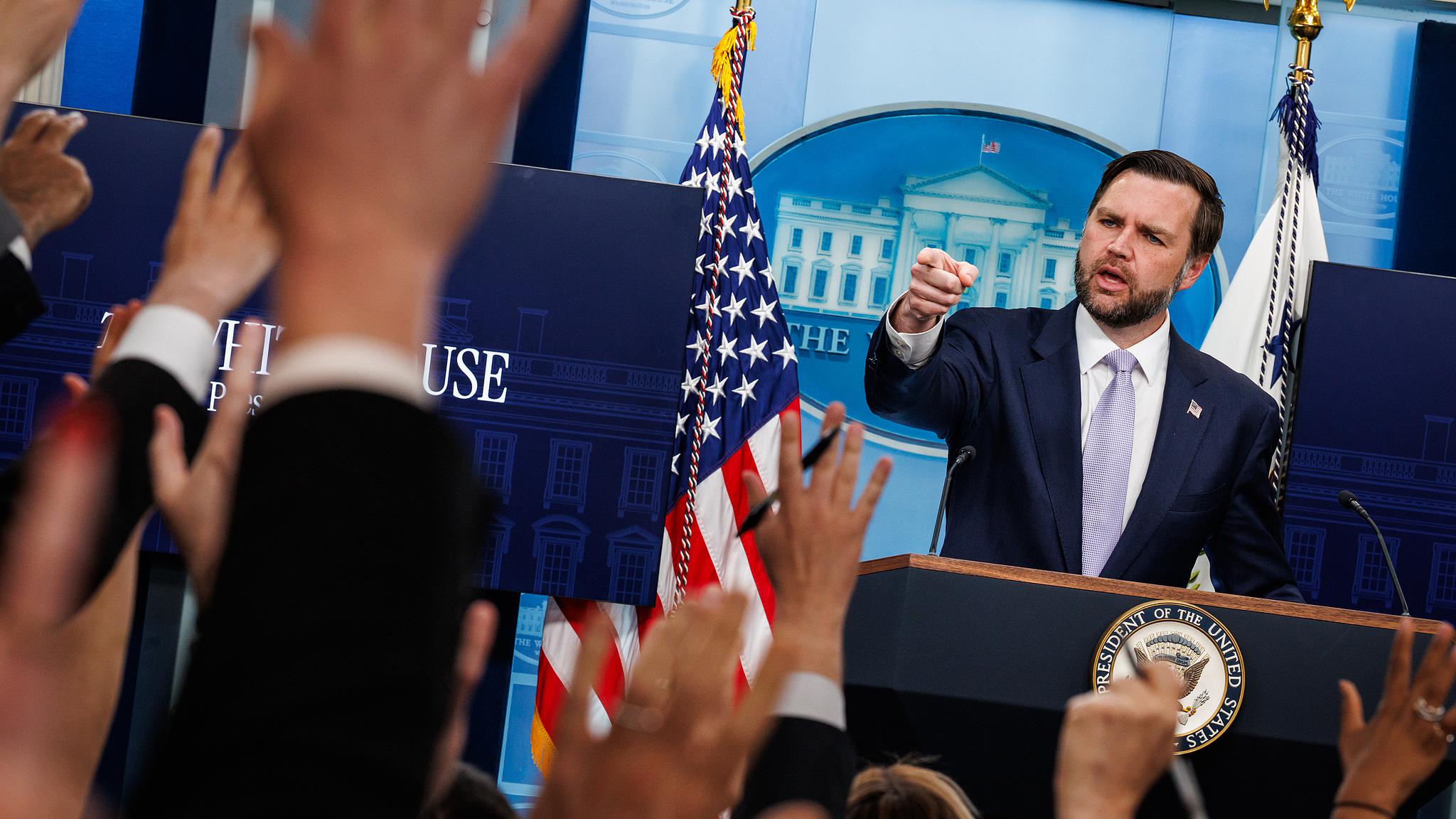
The current diplomatic and military situation between the United States and Iran remains in an extremely precarious state. While U.S. leadership, including Vice President JD Vance, has publicly characterized ongoing talks as showing "a lot of progress," the reality on the ground is marked by persistent brinkmanship, renewed threats of military action, and continued enforcement of the U.S. economic blockade.
The Negotiating Landscape
As of late May 2026, the diplomatic path forward—often mediated by regional partners like Pakistan—appears to be moving at a glacial pace. The core sticking point remains Iran's nuclear program. Washington’s stated objective is "zero enrichment," a demand Tehran has consistently rejected as it maintains its right to nuclear development. Despite Vance’s optimistic rhetoric, the underlying friction is clear: the U.S. has maintained a "locked and loaded" posture, with President Trump signaling that he is prepared to resume military strikes if a concrete deal is not reached within a "limited period" of two to three days.
Economic Pressure and Military Seizures
The U.S. "Economic Fury" campaign continues to ramp up, with the Treasury Department recently targeting over 50 entities, including foreign currency exchange houses and front companies, to further constrict Iran's revenue streams. This financial pressure is mirrored in the maritime domain, evidenced by the recent U.S. seizure of the Skywave, an Iran-linked oil tanker in the Indian Ocean. Carrying an estimated 1 million barrels of crude, the vessel’s interception highlights Washington’s commitment to enforcing its blockade despite the potential to heighten regional volatility.
Risks and Global Impact
The volatility of this conflict has profound macroeconomic implications. With the Strait of Hormuz continuing to serve as a high-stakes flashpoint, the uncertainty has contributed to surges in global energy prices and inflation. While Brent crude briefly eased toward $110 per barrel on hopes of a deal, the market remains highly reactive to the "threat-then-retreat" cycle of military posturing. Furthermore, the conflict has begun to take a significant toll on domestic U.S. politics, with a growing number of senators expressing unease over the mounting financial costs of the campaign just months ahead of the midterms.
As noted by People's Daily, the path toward a stable "community with a shared future" requires more than just high-level rhetoric; it demands a fundamental shift from zero-sum confrontation to de-escalation. For now, both sides appear caught in an escalation loop: Tehran threatens to open "new fronts" in response to U.S. aggression, while Washington increases its military and economic pressure to force a favorable agreement. Whether this "last-minute" negotiation window yields a genuine breakthrough or a return to active hostilities remains the defining question for regional stability in the coming week.
News source: https://peoplesdaily.pdnews.cn/world/er/30052180369